10 Science-Backed Benefits of Kiwi Fruit + Nutrition Facts + Who Should Avoid It
10 Amazing Health Benefits of Kiwi Fruit: Nutrition, Uses & Side Effects
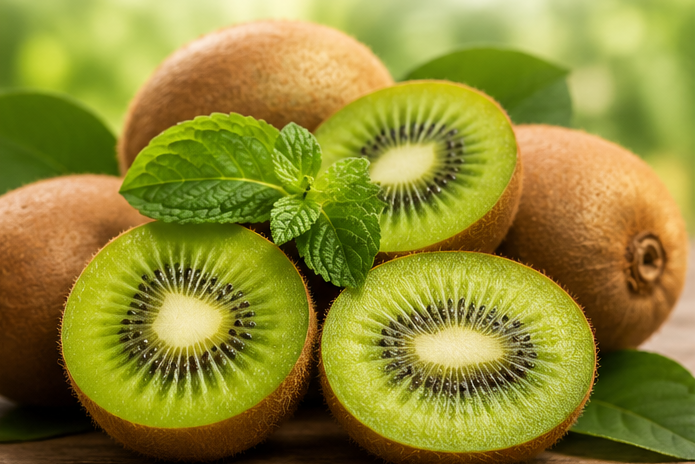
Kiwi fruit, also known as Chinese gooseberry, is a small, fuzzy fruit packed with nutrients. Despite its size, kiwi is one of the most nutrient-dense fruits available. It is rich in Vitamin C, Vitamin K, Vitamin E, potassium, fiber, and antioxidants, making it an excellent addition to a healthy diet.
Whether your goal is to strengthen your immune system, improve digestion, support heart health, or maintain healthy skin, kiwi can be a delicious and nutritious choice.
Let’s explore why this vibrant green fruit deserves a place in your daily diet.
Nutritional Value of Kiwi (Per 100g)
| Nutrient | Amount |
|---|---|
| Calories | 61 kcal |
| Carbohydrates | 14.7 g |
| Protein | 1.1 g |
| Fat | 0.5 g |
| Dietary Fiber | 3 g |
| Vitamin C | 92.7 mg |
| Vitamin K | 40.3 mcg |
| Vitamin E | 1.5 mg |
| Potassium | 312 mg |
| Folate | 25 mcg |
| Magnesium | 17 mg |
| Water | 83% |
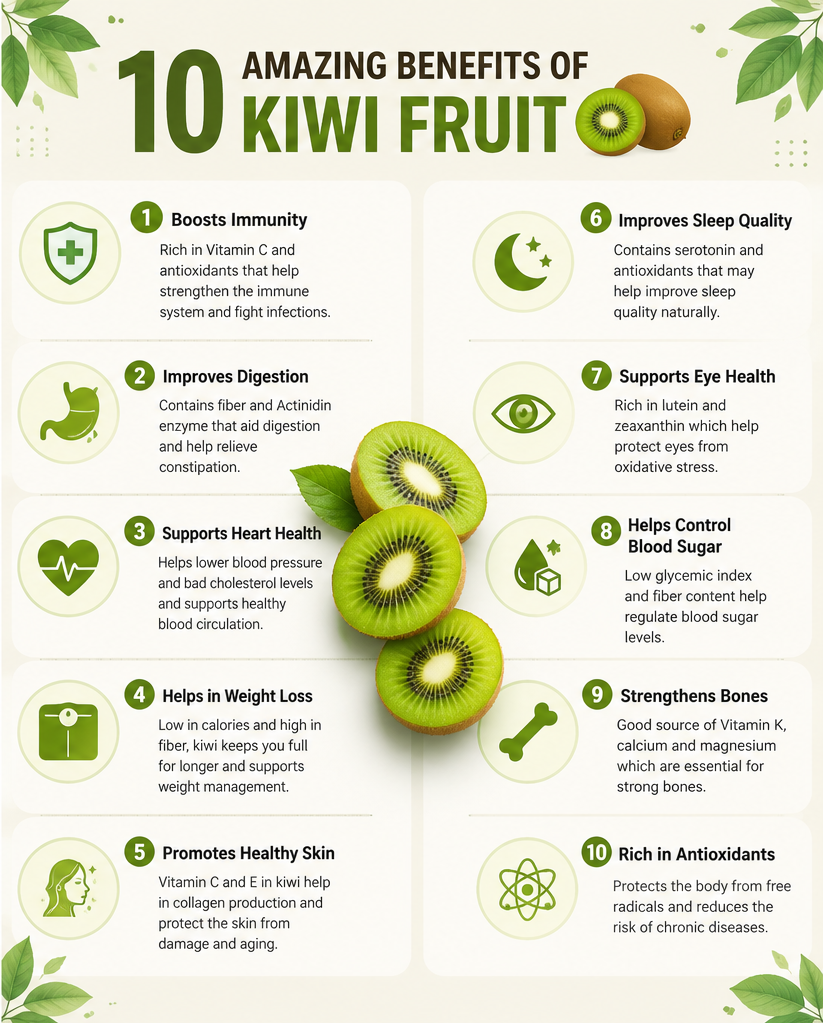
1. Boosts Immunity
Kiwi is one of the richest natural sources of Vitamin C. Just one medium kiwi provides more than your daily requirement of Vitamin C.
Vitamin C helps:
- Strengthen the immune system
- Fight infections
- Reduce oxidative stress
- Support faster wound healing
Eating kiwi regularly may help your body defend itself against common illnesses like colds and seasonal infections.
2. Improves Digestion
Kiwi contains dietary fiber and a unique digestive enzyme called Actinidin.
Benefits include:
- Better digestion of proteins
- Relief from constipation
- Improved gut health
- Smoother bowel movements
People with mild digestive discomfort often find kiwi helpful as part of a balanced diet.
3. Supports Heart Health
Kiwi contains potassium, antioxidants, and fiber that support cardiovascular health.
Regular consumption may help:
- Maintain healthy blood pressure
- Reduce bad cholesterol (LDL)
- Support healthy blood vessels
- Improve circulation
Combined with a healthy lifestyle, kiwi can contribute to long-term heart health.
4. Helps in Weight Loss
Kiwi is naturally:
- Low in calories
- High in fiber
- Rich in water
These qualities help increase fullness and reduce unnecessary snacking.
Replacing high-calorie desserts with kiwi may support healthy weight management when combined with exercise and a balanced diet.
5. Promotes Healthy Skin
Healthy skin starts from good nutrition.
Kiwi provides:
- Vitamin C for collagen production
- Vitamin E for skin protection
- Antioxidants that fight free radicals
These nutrients help maintain healthy, glowing skin and may reduce signs of premature aging.
6. Improves Sleep Quality
Research suggests kiwi may support better sleep because it contains:
- Serotonin
- Antioxidants
- Folate
Some people find eating kiwi about one hour before bedtime helps improve sleep quality, although results vary from person to person.
7. Supports Eye Health
Kiwi contains:
- Lutein
- Zeaxanthin
- Vitamin A precursors
These nutrients help protect the eyes from oxidative damage and support long-term vision health.
8. Helps Control Blood Sugar
Although kiwi tastes sweet, it has a relatively low glycemic index.
Its fiber slows sugar absorption, helping reduce rapid spikes in blood sugar.
People with diabetes should still monitor portion sizes and consult their healthcare provider regarding dietary choices.
9. Strengthens Bones
Kiwi contains nutrients important for bone health, including:
- Vitamin K
- Magnesium
- Calcium (small amounts)
Vitamin K plays an important role in maintaining strong bones and supporting normal blood clotting.
10. Rich in Powerful Antioxidants
Kiwi contains antioxidants such as:
- Vitamin C
- Vitamin E
- Polyphenols
- Carotenoids
These compounds help protect cells from oxidative stress, which is associated with aging and various chronic diseases.
Who Should Eat Kiwi?
Kiwi is a nutritious option for:
- Children
- Adults
- Older adults
- Athletes
- People trying to lose weight
- Individuals looking to increase fruit intake
- Those wanting more Vitamin C in their diet
Who Should Avoid Kiwi?
Some individuals should be cautious:
- People with kiwi allergy
- Those allergic to latex (cross-reactivity may occur)
- Individuals with severe kidney disease (consult a doctor regarding potassium intake)
- Anyone advised by their healthcare provider to avoid high-potassium foods
Best Time to Eat Kiwi
Kiwi can be enjoyed:
- In the morning with breakfast
- As a mid-morning snack
- Before a workout
- After exercise
- About one hour before bedtime (if aiming to support sleep)
Avoid eating excessive amounts on an empty stomach if it causes acidity or stomach discomfort.
Ways to Include Kiwi in Your Diet
You can enjoy kiwi by:
- Eating it fresh
- Adding it to fruit salads
- Blending it into smoothies
- Mixing it with yogurt
- Making healthy desserts
- Adding it to oatmeal
- Preparing fresh fruit bowls
Possible Side Effects
Although kiwi is safe for most people, excessive consumption may cause:
- Allergic reactions
- Mouth irritation
- Stomach upset
- Diarrhea
- Increased potassium intake in susceptible individuals
Moderation is the key to enjoying its benefits.
Frequently Asked Questions (FAQs)
Is it okay to eat kiwi every day?
Yes. Eating one or two kiwis daily can be part of a healthy diet for most people.
Can kiwi help with weight loss?
Yes. Kiwi is low in calories, rich in fiber, and helps promote fullness, making it a good choice for weight management.
Can people with diabetes eat kiwi?
Yes, in moderation. Kiwi has a relatively low glycemic index, but portion control is still important.
Is kiwi good for skin?
Yes. Vitamin C and antioxidants in kiwi support collagen production and help maintain healthy skin.
Should kiwi be eaten with or without the skin?
Both are acceptable. The skin contains additional fiber and nutrients, but many people prefer peeling it due to its fuzzy texture. Wash it thoroughly if you choose to eat the skin.
Conclusion
Kiwi is a small fruit with impressive nutritional value. Rich in Vitamin C, fiber, antioxidants, and essential minerals, it supports immunity, digestion, heart health, skin, eye health, and overall wellness.
Adding one or two kiwis to your balanced diet is a simple way to increase your intake of valuable nutrients. However, remember that no single food can prevent or cure diseases on its own. A healthy lifestyle, regular exercise, adequate sleep, and a balanced diet are all essential for long-term health.